
AI vendor lock-in: the risks and how to reduce them
What AI vendor lock-in is, its three real risks, and a realistic plan to avoid getting trapped with a single provider.
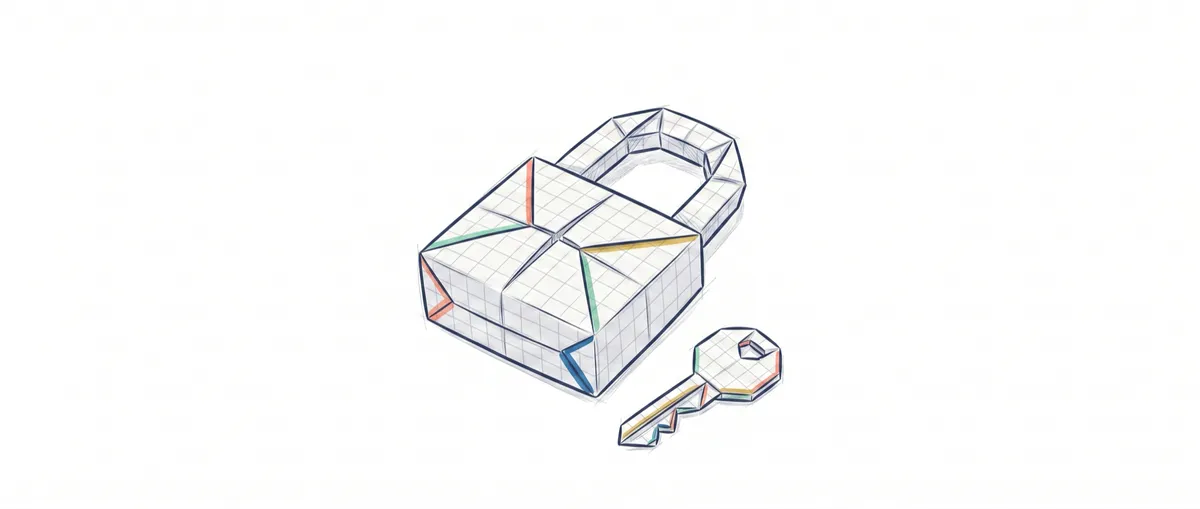
AI vendor lock-in is the risk that your business becomes so tied to one company that leaving it turns out to be too expensive or plain unworkable. In practice it means that one day you want to switch providers, or negotiate the price, and you find that you can’t: your process depends on them, and rebuilding it with someone else costs too much.
It matters because with AI this trap snaps shut faster, and in less obvious ways, than with regular software. The provider doesn’t even have to treat you badly. It’s enough for them to raise the price, or to change the model under the hood, for your workflow to stop working the way you expected. This article explains where that risk comes from and what you can do, before signing, to avoid getting trapped.
What is vendor lock-in in AI?
Depending on a provider isn’t bad in itself. Your company already depends on the bank, the power company, the internet provider, and whoever handles your accounting. The problem shows up when the cost of leaving is so high that you lose your bargaining power. At that point the relationship stops being a deal between equals and becomes a leash.
Think about renting a space with a custom fit-out. As long as the deal is good, there’s no drama. But once you’ve invested in the build-out and in your customers already associating you with that address, moving stops being a free choice. The landlord knows it, and that changes every conversation about the rent. Technical dependency works the same way: the more you’ve built on top of a provider, the less room you have when the terms change.
With AI there’s an extra twist. Here you’re not just renting a stable space, but an engine the provider can readjust with barely any warning. And that leads to why AI ties you down more than ordinary software.
Why AI ties you down more than an ordinary program
With an ordinary program, what you buy is predictable. A spreadsheet adds up the same today as it will two years from now. If the provider raises the price, it annoys you, but the product still does the same thing and you can look for another one that adds up just the same.
With AI you buy something alive. Behind almost every tool there’s a model: the statistical brain that generates the answers, trained on huge amounts of text. That model isn’t yours and it isn’t stable. The provider updates it or replaces it with a new version, and sometimes you only find out when your process starts producing different results.
That’s the uncomfortable difference. You set up your workflow by tuning the instructions you give the model (what the industry calls a prompt: the text you use to ask for things) until it responds exactly how you need. That fine-tuning is your work, and it’s calibrated for one specific version of the model. The day the provider changes that version, your calibration can stop fitting. It doesn’t break with an obvious red error. It breaks quietly: the answers lose quality little by little, or they skip a format they used to respect. And sometimes nobody notices until a customer complains.
Depending on a piece the owner can change without your permission is what makes AI lock-in different. It’s worth looking closely at the three concrete ways it hits you.
The three risks that actually affect you
When people talk about “the risk of depending on an AI provider” they usually stay abstract. Let’s bring it down to what can really happen to you.
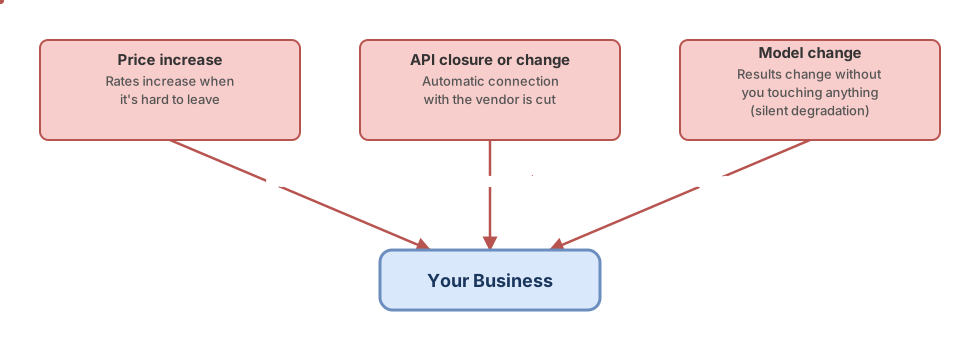
The price increase. The most obvious and the most common. You start with a comfortable rate, build your process on top of it, and once leaving is no longer easy, the price goes up. It doesn’t have to be an aggressive hike; sometimes it’s a change of plan, or a usage-based cost that grows with your volume. The problem isn’t paying more, it’s paying more with no alternative.
Closing or changing the API. Here comes a technical word. The API is the connection your system uses to talk to the provider’s automatically, without a person copying and pasting. If the provider shuts it down or changes the version you were using, that automatic conversation is cut off. What worked on its own yesterday returns an error today. And fixing it depends on having someone who can touch the integration, which many small companies don’t have in house.
The model change that breaks your workflow. The most treacherous, because it’s invisible. The provider improves its model (or makes it cheaper by using a smaller one) and, without you changing anything, your results change. A summary that used to come out clean now drops details. A classification that used to get it right starts failing on the odd cases. There’s no warning and no new invoice. Just a slow decay you discover late.
| Risk | What it is | Early sign | How you reduce it |
|---|---|---|---|
| Price increase | The rate grows once it’s hard to leave | Plan changes or rising usage-based cost | Contract with price and advance notice; know an alternative provider |
| Closing or changing the API | The automatic connection with the provider is cut | Notices that versions are losing support | A middle layer that insulates your system from the specific provider |
| Model change | The results change without you touching anything | Scattered complaints, results that “aren’t what they used to be” | Measure quality continuously to catch it early |
None of the three is a reason to give up on AI. They’re a reason to go in with your eyes open and with a plan. That plan has concrete parts.
How to reduce lock-in without giving up on AI
Reducing lock-in isn’t about distrusting everything or building something wildly complicated. It’s about keeping one thing: the ability to switch providers without stopping the business. These are the levers, from the most important to the least.
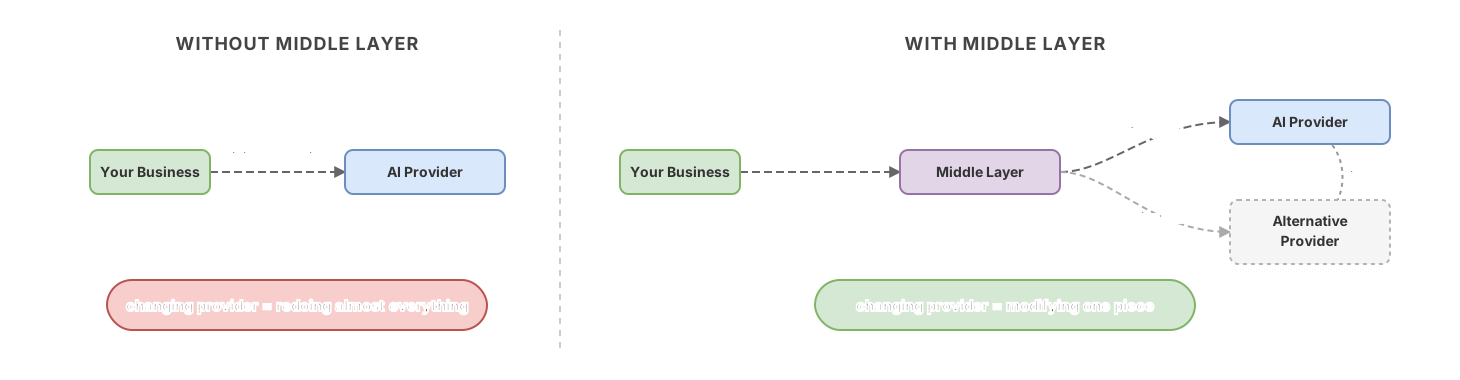
Decouple your process from the specific provider. This is the main lever, and it’s more a design decision than a technical one. It means putting a middle layer between your business and the AI provider, so that swapping one for another is touching a single piece rather than rebuilding everything. If you don’t have a technical team, this translates into a question for whoever builds it for you: “if tomorrow I want to switch providers, what would have to be redone?”. If the answer is “almost everything”, you’re taking on a lot of lock-in.
Keep your data and your instructions outside the provider. Your data is yours, but only if you can get it out. And your prompts, those tuned instructions that make the AI respond the way your business needs, are an asset almost nobody protects. If they live only inside the provider’s dashboard, the day you leave you lose them. Keep your own copy, on your side, of the data and the instructions.
Measure quality continuously. This is the only defense against the risk you can’t see, the model change. Nothing sophisticated is needed: a set of test cases with the known correct answer, that you run every so often. If one day it starts failing without you having changed anything, you know something moved underneath, and you find out before your customer does.
Sign with the exit in mind. Before you commit, read the contract with the question of how you get out, not just how you get in. Price with advance notice of increases, the right to export your data in a usable format, clear ownership of the instructions you configured, and what happens to your information if you close the account. A good provider has no problem putting it in writing.
Have a plan B, even if you never use it. You don’t need to run two providers at once from day one; that adds cost and complexity that often isn’t worth it. It’s enough to know what your alternative would be and to have a design that allows the switch. The option to leave, even if you never exercise it, is what gives you back your bargaining power.
None of these levers is free, and not all of them are worth it in every case. How much to invest in decoupling depends on how critical the process is to your business, which ties directly into the decision to buy a ready-made tool or build custom: the more custom you build, the more control you have over lock-in, but the more cost you take on. Choosing with judgment where to put AI in your company, and with how much dependency, is exactly what we work on in the IA sin hype course.
What to ask before signing
Almost everything above boils down to a few questions you ask the provider before committing. If the answers are clear and they put them in writing, good sign. If they’re vague or make them uncomfortable, you’ve already learned something important.
- Can I export my data in a format that works elsewhere, and what happens to it if I leave?
- How much notice do you give me of a price increase or of pulling a feature?
- When and how do you change the model underneath, and do you tell me?
- Are the instructions and settings I configure mine, and can I take them with me?
This is the same conversation you should have with any software you contract as a service, with a couple of AI-specific wrinkles. The detail of what to demand from an AI SaaS we cover separately, and it fits into the broader picture of where to use AI in your company sensibly.
A note on the legal side: the portability of your data and certain obligations about personal data are regulated in Europe, but how they apply to your case depends on your contract and your situation. This is not legal advice; for the specific clauses, have them reviewed by whoever handles legal matters in your company.
Frequently asked questions
Does working with several providers at once protect me from lock-in? It helps, but it has a price. Keeping two providers in parallel costs more money and more work, and often isn’t worth it for a small company. What really protects you is keeping the ability to switch providers. With good decoupling and an identified alternative you get almost all the protection without doubling the cost.
Does using an open or open-source model free me from depending on anyone? It reduces one specific risk, the risk of them shutting the service down, because you can host the model yourself. But it isn’t free: hosting it, maintaining it, and updating it become your problem, and that requires a technical team many companies don’t have. You swap one dependency for another. It may or may not be worth it depending on your case.
Does this only matter if I’m a big company? The opposite. A big company has the team and budget to switch providers if it has to. A small company that has built a key process on a single tool and has nobody technical inside is the most exposed, because leaving costs it more in proportion.
How often should I review my AI provider? Looking at the market once or twice a year is usually enough, plus an extra review every time the provider announces a price or model change. The idea isn’t to switch for the sake of switching, but to avoid being caught out the day the terms stop working in your favor.
Related articles

AI Use Cases in Business: Which Ones to Prioritize
A framework for knowing which of your tasks are a good fit for AI and which ones are money down the drain: AI use cases in business, no hype.

Buy or Build AI: How to Decide Without Overspending
Buy AI SaaS, build custom, or wait. An honest framework to decide how to acquire AI in your company based on real cost and vendor dependency.

AI SaaS: What to Demand Before You Sign
Before signing an AI SaaS, demand five things in writing: what it does with your data, reliability, portability, usage pricing, and model changes.