
New businesses AI makes viable that didn’t pay off before
AI doesn’t just make what you already do cheaper: it makes viable businesses and services that never covered their cost. Where the real opportunity is, no hype.
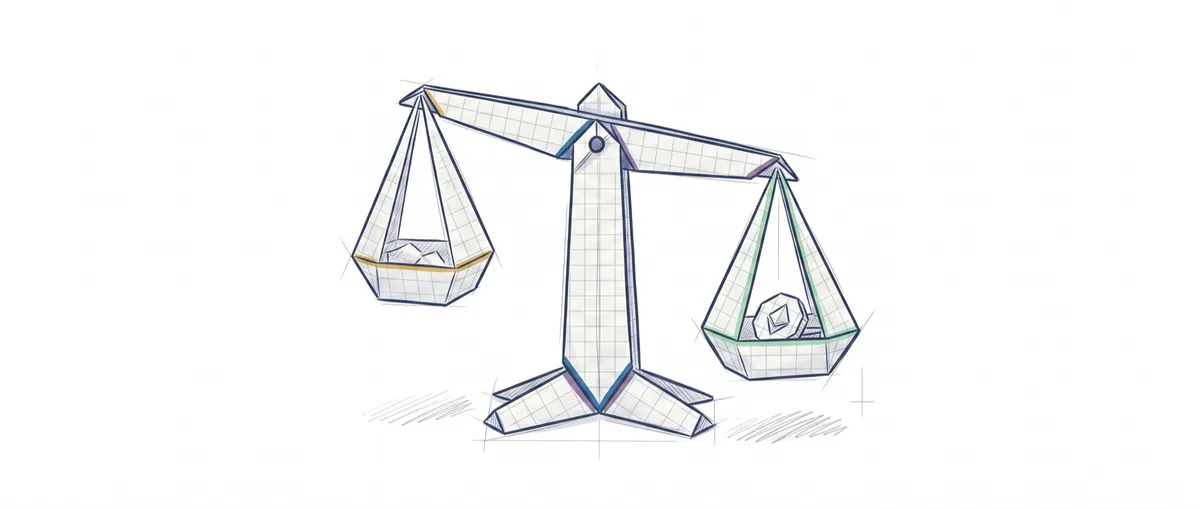
The question a business leader asks me is rarely “how does AI work?” It’s “what can I do now that didn’t pay off before?” And that’s the right question, because the most interesting shift with AI isn’t that it makes what you already did cheaper. It’s that it turns businesses and services that until recently didn’t cover their cost into profitable ones.
When I talk about AI in this article I mean LLMs, language models: the engine behind tools like ChatGPT. A program that writes, summarizes, classifies, translates, and answers in plain language, without you having to code every case by hand. For a business, the technology itself barely matters. What counts is that tasks that used to require a person now get done for a fraction of that cost. And when the cost of a task falls far enough, the numbers change for entire businesses.
What does it mean for AI to “make a business viable”?
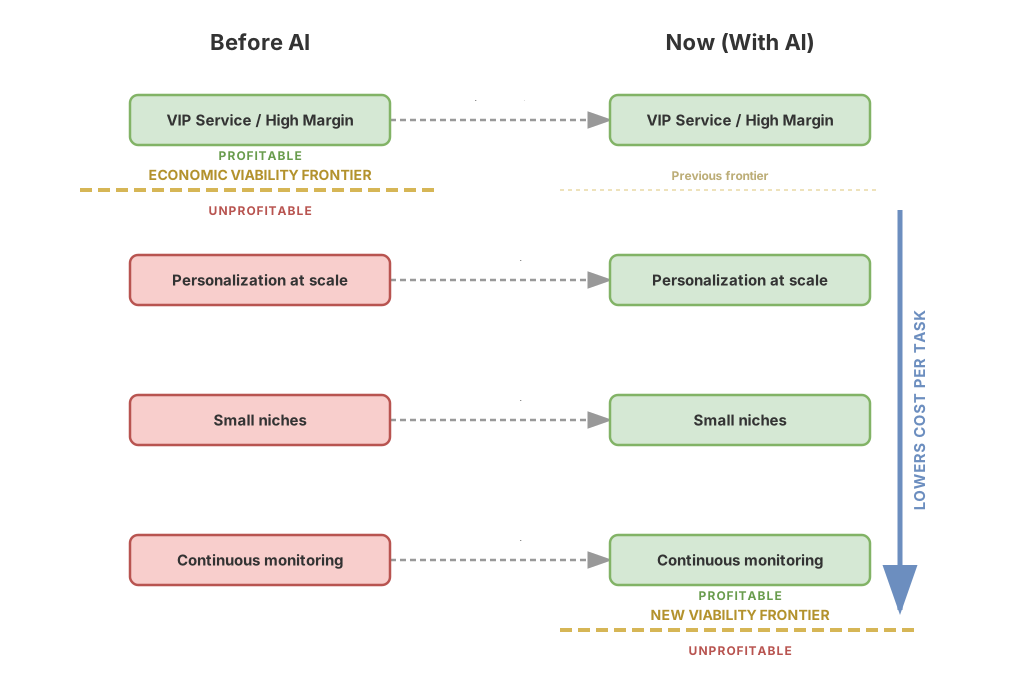
A business is viable when the revenue each customer leaves you beats what it costs to serve them. It sounds obvious, but it explains why there are services we would all love to offer and almost nobody does. Serving each customer with genuinely individual care costs hours of a qualified person. When those hours are worth more than what the customer will pay you, that service simply doesn’t exist. Not for lack of demand, but because the numbers don’t add up.
AI moves that line. Many of those expensive hours went to repetitive tasks of reading, writing, classifying, or summarizing. A language model does that kind of work for far less, and without tiring at the tenth customer or the thousandth. The cost per customer drops, and suddenly several services that sat below the profitability line end up above it.
Watch out for the trap of reading this as magic. AI doesn’t remove the cost, it lowers it. You still need to set up the system, review what it produces, and answer for the mistakes. The line of what’s profitable moves; it doesn’t disappear. Everything that follows starts from there.
Personalization at scale: premium treatment for everyone
The first clear opportunity is treating every customer as if they were the only one. For decades, genuinely personal attention has been a luxury: private banking, the tailor who takes your measurements, the doctor who has known you for years, the advisor who calls you by name. It worked with a few high-value clients because the cost of that dedication was only covered by high margins.
Think of a small shop, as an illustrative example. Its owner knows that if she could write each customer a recommendation made for them, with their history and their tastes, she would sell more and lose fewer customers. She has never done it because she doesn’t have hours to draft hundreds of different messages every week. With a language model that drafts the message from the purchase history, that task goes from impossible to routine. She still reviews the tone and decides what gets sent. What has changed is that individual attention now pays off for the small customer too.
This isn’t about sending more automated emails. It’s about giving each customer a reply that looks written for them, because in good part it is. The difference from the usual “spam” is that the content fits the person, not the batch.
Services that didn’t pay off before
Personalization is one case of something broader: whole services that didn’t cover their one-to-one cost of attention. This is where the businesses that didn’t exist before show up.
Think of the tiny niche. An advisor who specializes in a very specific problem in a very small sector has a real market, but a scattered, low-volume one. Building a team to serve it doesn’t pay. With AI carrying part of the work of answering and preparing the documentation for each case, that narrow market starts to add up. Continuous follow-up is another example: checking how each customer is doing after the sale, reaching them in time, offering the next thing. Everyone knows it retains customers, and almost nobody does it well because it eats too many hours.
Here’s the comparison in short:
| Type of task | Before AI | Now |
|---|---|---|
| Personal attention | Reserved for high-margin clients; individual treatment didn’t pay off for the rest | Viable for the small customer too, with a person reviewing instead of writing from scratch |
| Analysis of your own data | Meant hiring someone to read and sort information that piled up unused | A model summarizes and classifies the bulk; you decide on what really matters |
| Very small niches | A real market but too scattered to justify a dedicated team | The cost of serving drops enough for a narrow market to add up |
None of these cases is science fiction. They are things people already wanted to do and didn’t, for a purely economic reason. Change that reason, and the options change.
Your competition is born with the base already adapted
There’s an uncomfortable side to all this. If these opportunities open up for you, they also open up for anyone who wants to start a new business. And that competitor has an advantage you don’t: it starts from zero.
A company born today designs its processes counting on AI from day one. It doesn’t drag along a department set up to do by hand what can now be partly automated, nor a “we’ve always done it this way” that takes years to change. You, if you already have a running business, have customers and a brand that are worth a lot. But you also carry a structure built for the old cost of things. Reworking that is slower than building it right from the start.
The answer isn’t to panic or automate everything at once. It’s to put AI at the core of the processes where it genuinely changes the numbers, instead of bolting it on top of what you already did like an ornament. That distinction is what the difference between using AI at the core of the process or just on top is about, and it’s what separates a real saving from money spent on tools that don’t move the result.
Where AI doesn’t pay off
Before hunting for your opportunity, it helps to be clear about where this doesn’t work. Starting with the “no” saves you the expensive project that goes nowhere.
AI doesn’t fit well where you need total certainty. A language model gets it right most of the time, but every so often it’s wrong with complete confidence, and it will even make up data that sounds perfectly believable. In the field it’s called a hallucination: the model fills a gap with something plausible even if it’s false. For recommending a product, an occasional slip is acceptable. For calculating a payroll or a figure that goes signed into a contract, it isn’t. There you need fixed rules and a person who answers for it.
It also doesn’t pay off where the customer wants a person and can tell. There are moments, a serious complaint or a delicate negotiation, when automating the conversation is shooting yourself in the foot. The customer isn’t looking for efficiency, they want someone to take charge.
And there’s the cost almost nobody counts at the start: setting up the system, reviewing what it produces, and maintaining it when things change. Human oversight isn’t optional. If you cut it to save more, that’s when the expensive mistakes show up. To choose well which tasks are good candidates and which aren’t, it helps to think about the profile of a task that fits AI before buying anything.
A note on the legal side, without giving legal advice: in Europe there are obligations that depend on the use you give AI and the data it handles, especially personal data. The more sensitive the decision the system supports, the more seriously you have to take who answers for it and how. Check it with someone who knows before launching anything that touches customer data.
How to spot your opportunity without the smoke
The practical way to find where AI changes your numbers isn’t to look at tools. It’s to look at your own business with these questions:
- What did you stop doing for lack of hours? That service you know would retain customers but you never start. It’s usually the best candidate.
- What repetitive task eats your margin? Reading, classifying, drafting similar replies, sorting information. If it consumes hours of qualified people and barely varies between cases, it’s AI territory.
- Which small customer are you ignoring? The narrow market you dropped because serving it didn’t pay may have crossed the profitability line without you noticing.
- Where would a system error cost you dearly? Mark those areas as territory for rules and people, not loose AI. It works to rule things out fast.
Start with a single task, the one with the clearest numbers, and measure it for real: what it cost before, what it costs now counting setup and review, and whether the result holds up. This is business judgment, not a technical trick, and it’s exactly what we work through calmly in the no-hype AI course: deciding where AI changes the result and where it only changes the bill.
The real opportunity is spotting which task in your business has just crossed the profitability line and taking it yourself before someone else does. Jumping on the latest tool is the least of it. To see it with more examples by sector, there’s the guide to AI use cases in companies.
Frequently asked questions
What new businesses does AI make possible that didn’t exist before?
Mostly personalized attention services for large numbers of customers and very small niche services. They didn’t pay off before because serving each customer one to one cost too many hours of a person’s time. As the cost of the repetitive tasks of reading, writing, and classifying drops, those services cross the profitability line and appear as a business.
Will AI make my business profitable automatically?
No. AI lowers the cost of certain tasks, but setting up the system, reviewing what it produces, and maintaining it also cost. If you cut the human oversight to save more, that’s when the expensive mistakes show up. What AI does is move the line of what pays off, not guarantee profit.
Why is my competition new companies and not just the usual rivals?
Because a company born today designs its processes with AI from day one, without dragging a structure built for the old cost of things. You have customers and a brand in your favor, but reworking an inherited process is slower than building it right from scratch. That’s the advantage of the one starting fresh.
How do I know if a specific task is a good candidate for AI?
Look at two things: how much margin that task eats and what happens if the system gets it wrong. If it’s repetitive, consumes hours of qualified people, and an occasional slip is acceptable, it fits well. If it demands total certainty or the customer expects a person on the other end, leave it to fixed rules and people.
How much does it cost to start using AI in a small business?
It depends on the task, but the first real cost isn’t the tool, it’s the time to set it up and review it well. The sensible move is to start with a single task with clear numbers, measure what it cost before and what it costs now including oversight, and expand only if the result holds up.
Related articles

AI Use Cases in Business: Which Ones to Prioritize
A framework for knowing which of your tasks are a good fit for AI and which ones are money down the drain: AI use cases in business, no hype.
AI at the center, not on top: when to redesign the process
Bolting AI on top of an old process pays off only halfway. When it makes sense to redesign the process with AI at the center, and when automating is enough.

Ideal tasks for AI: the profile you should look for
Not every task fits AI. There is a four-trait profile and a simple way to score yours before you spend a single euro.