

git status: How to Read What Git Is Telling You
Learn to read git status output step by step: staged, unstaged, and untracked files, the branch line, and the short format.
Library
Technical articles: agents, architecture, tools and design decisions.
Learn to read git status output step by step: staged, unstaged, and untracked files, the branch line, and the short format.
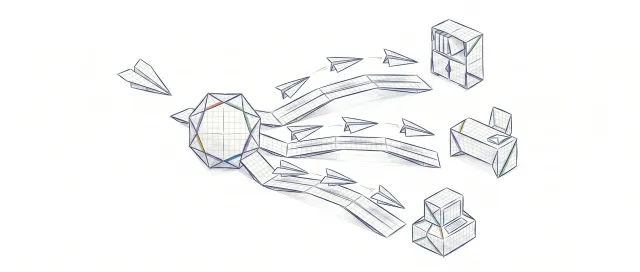
The Router pattern classifies user input and delegates it to the right agent. Learn how to implement it with rules, semantics, and fallback chains.

A beginner's guide to using .gitignore: pattern syntax, what to always ignore, and why your .env still shows up even after you added it.
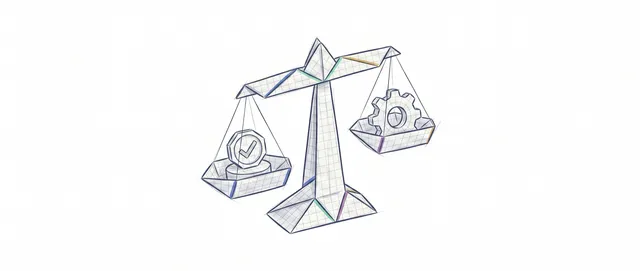
What 'human in the loop' means for your business, when you need human review before automating with AI, and when it is a cost you can skip.

The 4-question framework to approve, condition, or reject an AI project without being technical. Cost of error, control, return, and accountability.
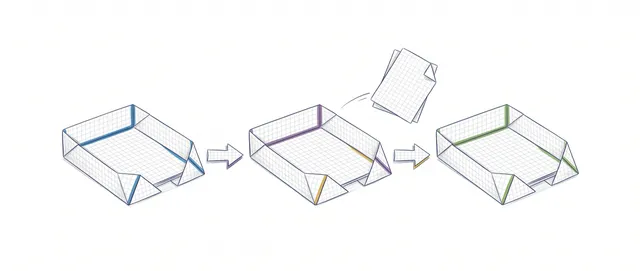
What git add, git commit, and git push actually do, and why they're three separate steps: a change's journey through Git's four areas, explained from scratch.

Learn how to use git init to create your first local repository from scratch: what it does, how to make your first commit, and how it differs from git clone.
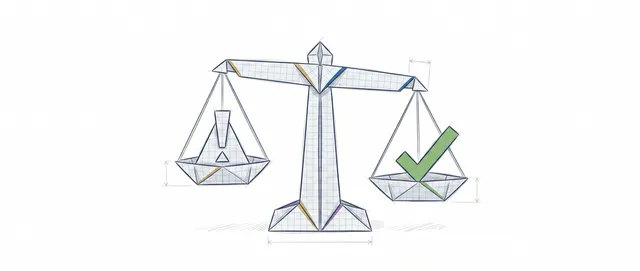
How to run a risk assessment before rolling out AI in your company: what can go wrong, impact, likelihood, mitigation and owner, all in one table.

Set up your SSH key for GitHub with ssh-keygen and ed25519: generate it, load it into the ssh-agent, upload it, and stop pasting a token on every push.

The exact commands to configure Git before your first commit: user.name, user.email, the default editor, and what --global means versus local.

When not to use AI in your company: the three zones where it must never decide alone and the 'not yet' case. A clear way to decide, no hype.
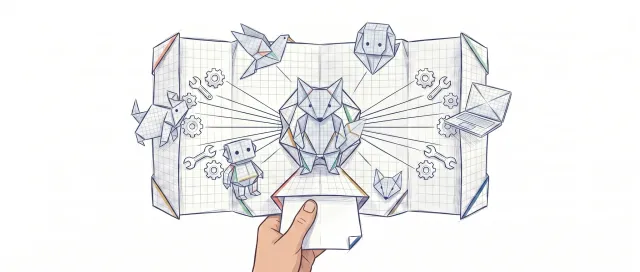
GoF patterns don't disappear in agentic systems—they transform. Command=tool call, Mediator=orchestrator, Adapter=MCP. The complete map with code.