

Vibe coding vs agentic coding: who verifies the code
Vibe coding is accepting code without reading it; agentic coding is delegating execution while keeping the judgment. How to tell them apart and what to check.
Library
Technical articles: agents, architecture, tools and design decisions.
Vibe coding is accepting code without reading it; agentic coding is delegating execution while keeping the judgment. How to tell them apart and what to check.
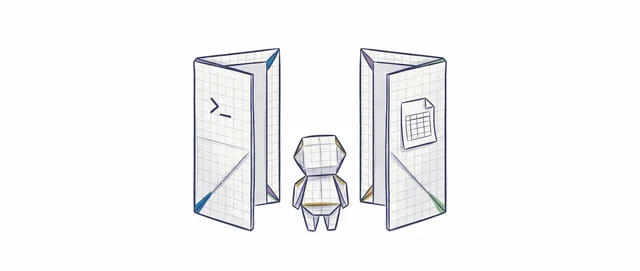
Claude Code and Cowork share the same agent architecture. What changes is the work: software in a repository or knowledge tasks on your files.
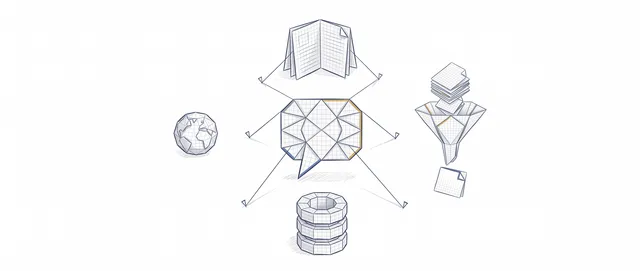
Grounding means an AI answer rests on checkable sources; RAG is one way to get there. The difference, with examples, and where the two meet.
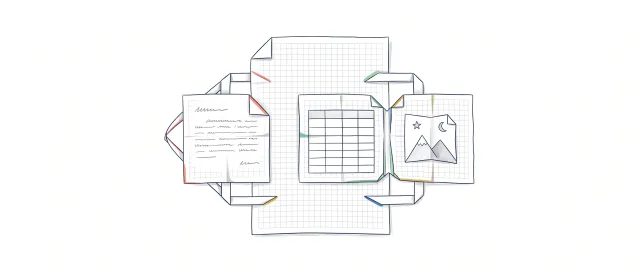
What Docling is, how it structures documents, and where it fits into RAG. A Python example and criteria for evaluating text, tables, and sources.
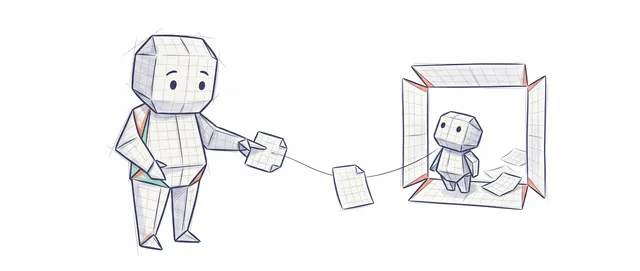
A subagent is an agent another agent launches to hand off a task with its own context. How it differs from the agent and when to use one in Claude Code.

How to optimize data ingestion for RAG: preserve context and sources, validate extractions, resume ingestion, and evaluate before publishing.
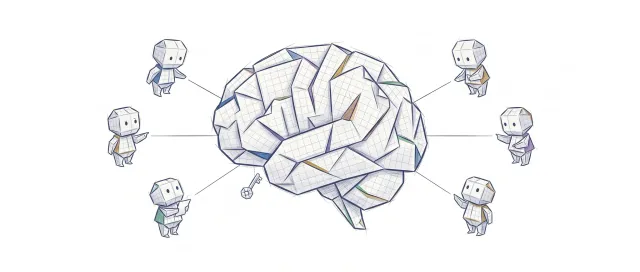
What a company brain is, which approaches exist, and how it connects documents, decisions, and tools to give AI agents context.
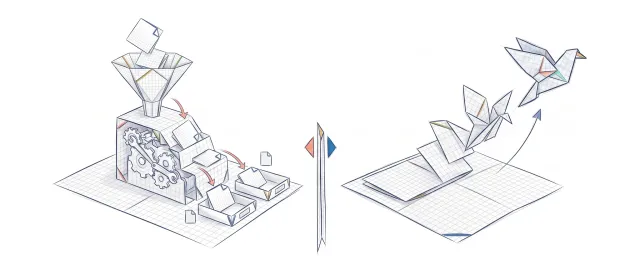
Generative AI is machine learning, just a different paradigm. What each one trains on, what they produce, what predictive AI actually is, and which one you need.
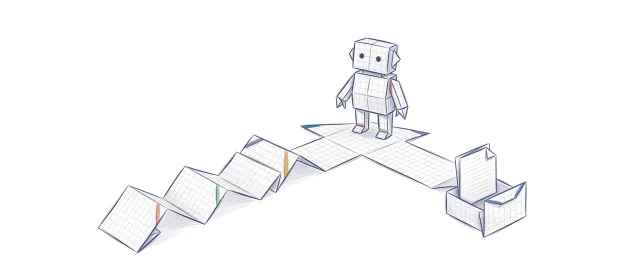
Superpowers changes how your agent works. OpenSpec or Spec Kit change what ends up written in the repo. The real difference, and which one you need.
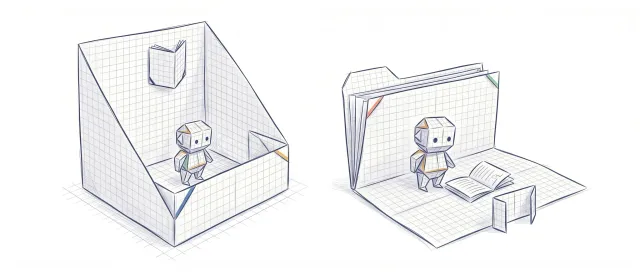
A real comparison of Claude Code and GitHub Copilot: where each one runs, how much autonomy it has, which plan you need, and which one fits you.
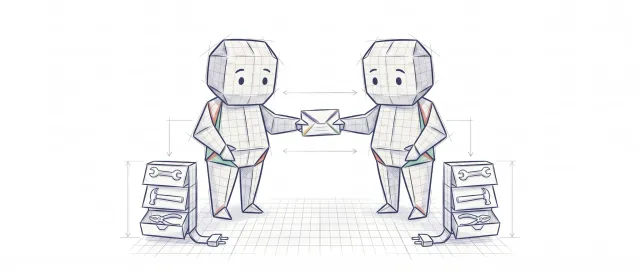
MCP connects your agent to tools; A2A connects it to other agents. The real difference, the Agent Card, and when you don't need one of the two.
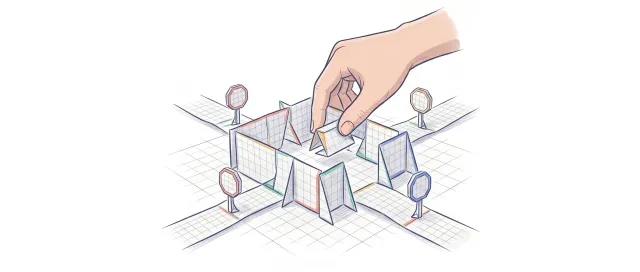
What each Claude Code blocking message means (bash denied by auto mode, deny rules, hooks) and the exact setting that unblocks it.