
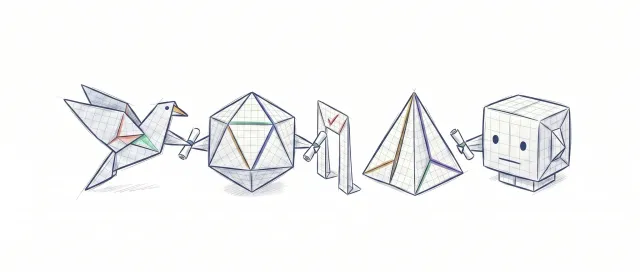
Prompt Chaining: How to Break Down Complex Tasks Into Simple Steps
Learn how to divide difficult tasks into sequential LLM calls. With line-by-line commented TypeScript code and no external frameworks.
Library
Technical articles: agents, architecture, tools and design decisions.
Learn how to divide difficult tasks into sequential LLM calls. With line-by-line commented TypeScript code and no external frameworks.

Install Git on your Mac two ways: with Homebrew or with the Xcode Command Line Tools. Check the version and avoid the PATH problem on Apple Silicon.
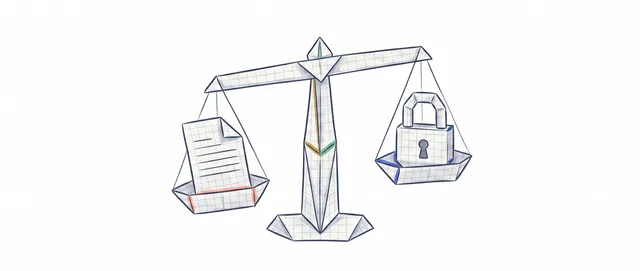
What ChatGPT does well for a business (drafts, summaries, ideation) and where you can't trust it: private data, exact figures, and the privacy warning.
A guide for juniors: install Git on Windows from the official download, choose the right installer options, and confirm it works with git --version.

What version control is, what it's for, and why Git, the distributed system, won out over centralized ones. Explained from scratch for beginners.
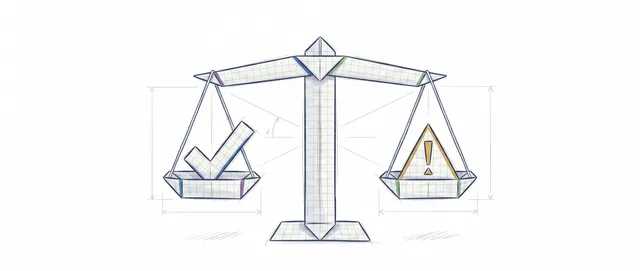
A no-hype guide to deciding which tasks in your business to hand generative AI and which to distrust. Where it shines, where it fails, and how to classify each job.

What Git's staging area is, why it exists, and how your changes travel through the four zones: working directory, staging area, local repo, and remote.
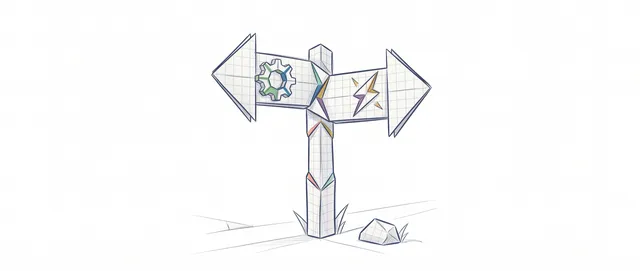
Do you solve your problem with AI or with a plain old program? A decision table, no hype, to choose by the type of task and not by the trend.
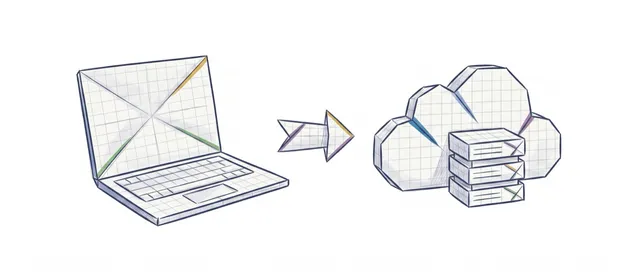
What a Git repository is for beginners: the .git folder, the difference between a local and a remote repository, and how to connect them with git push and pull.
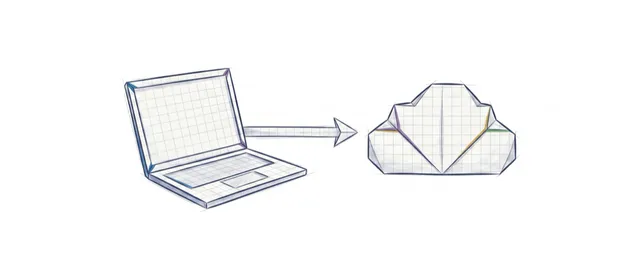
Git vs GitHub: Git versions your code locally, and GitHub hosts that repository online. I'll explain the difference with commented commands.
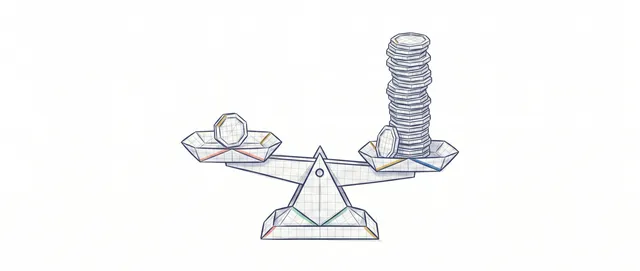
How much it really costs to implement AI in your company. Why the demo is almost free and production costs far more, and which hidden line items eat the budget.
A Git commit is a complete snapshot of your project at a single instant. Understand what it actually stores and why it lets you travel back in time.